×
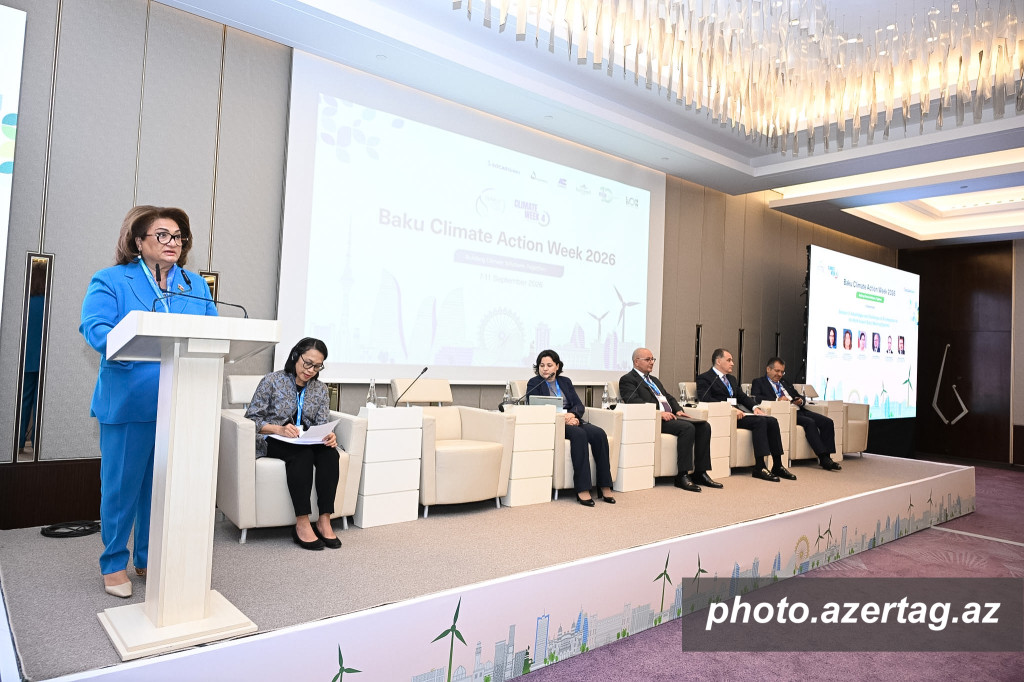
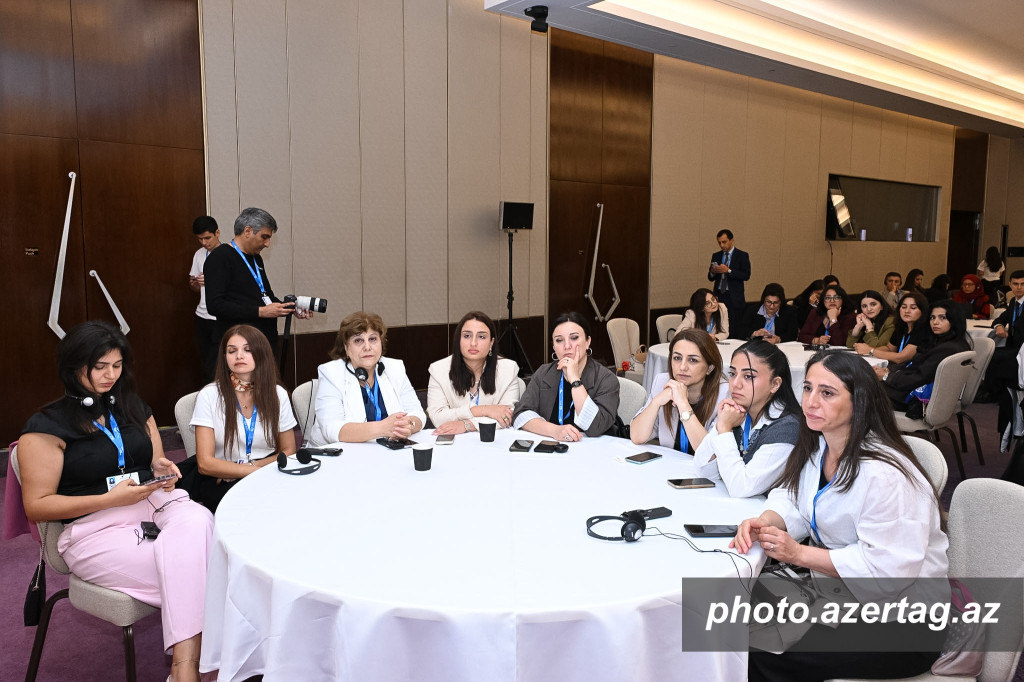
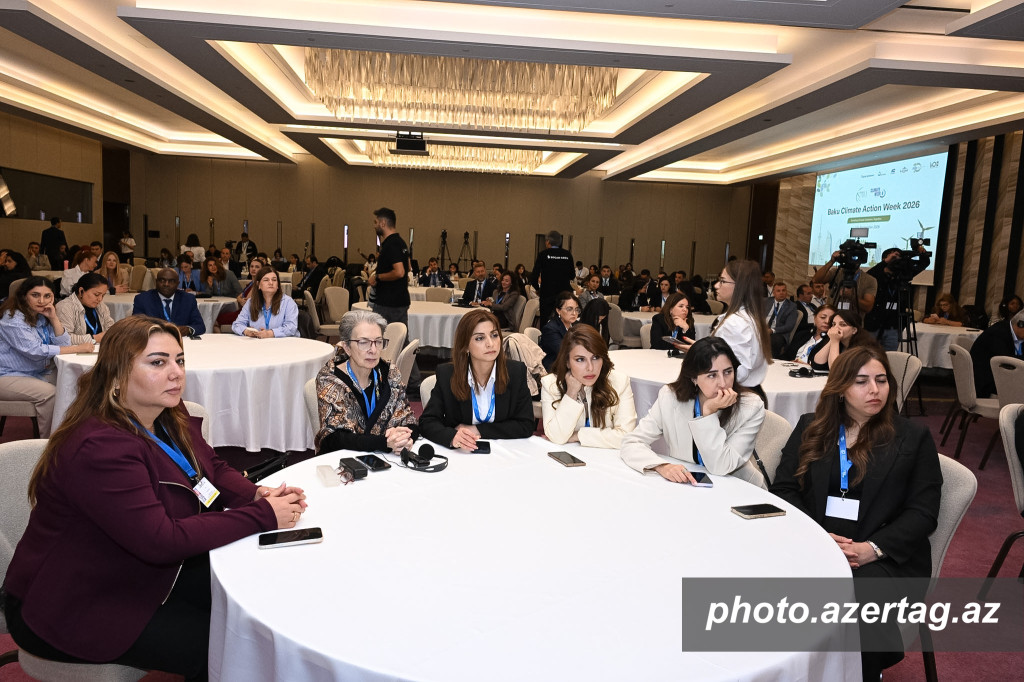
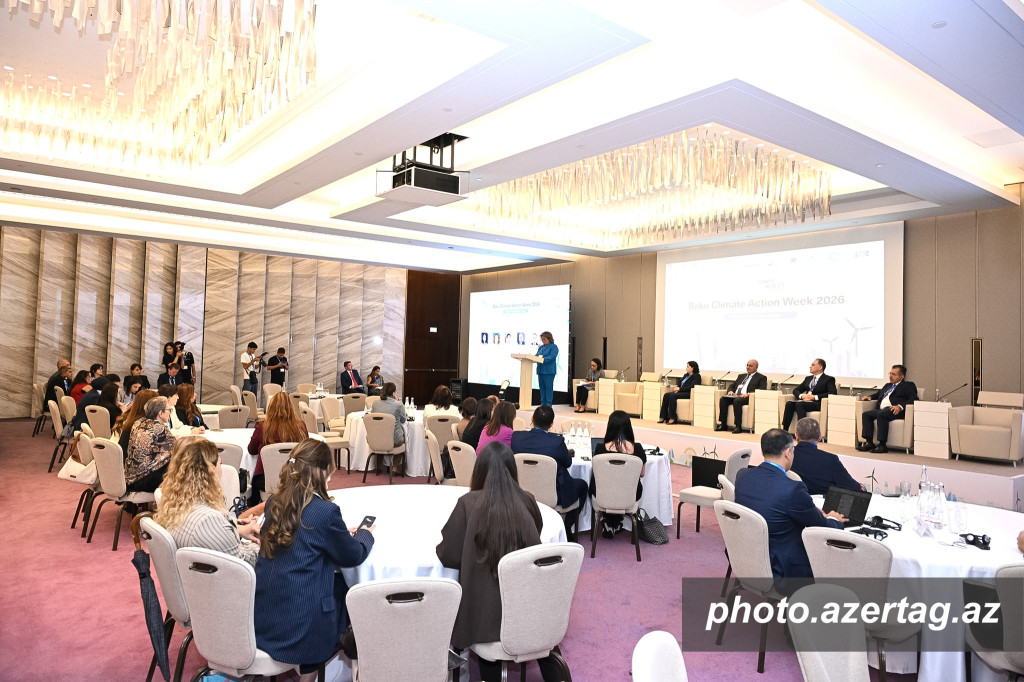
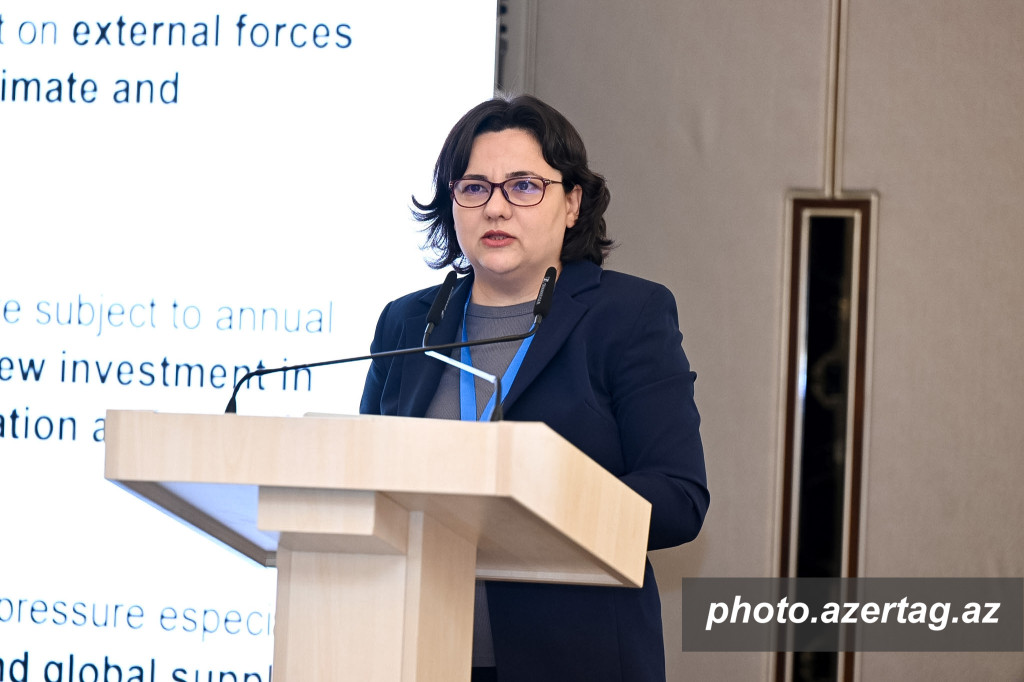
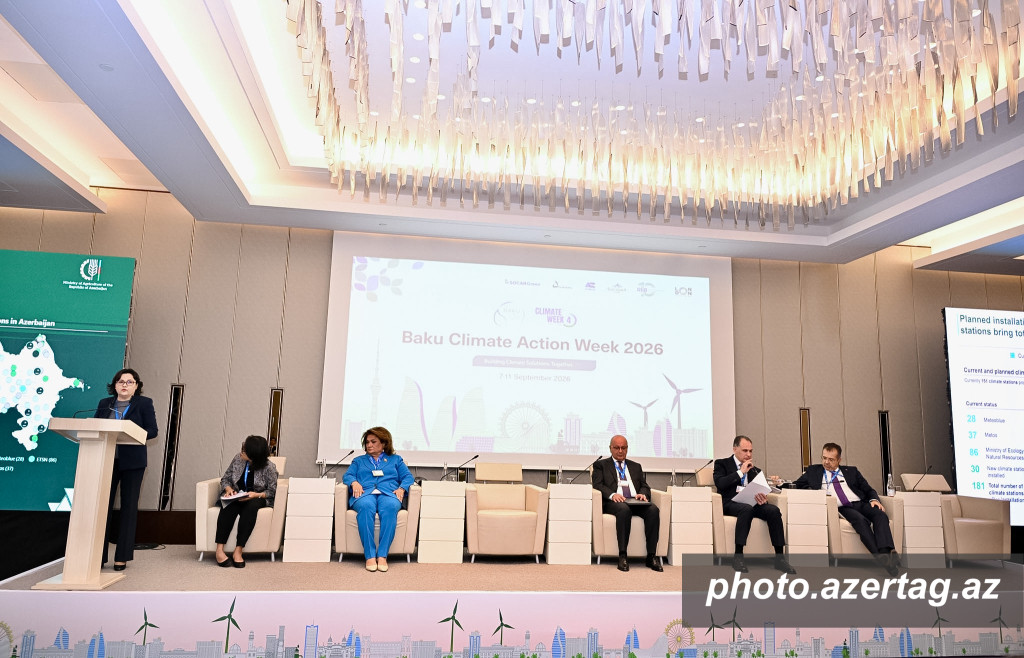
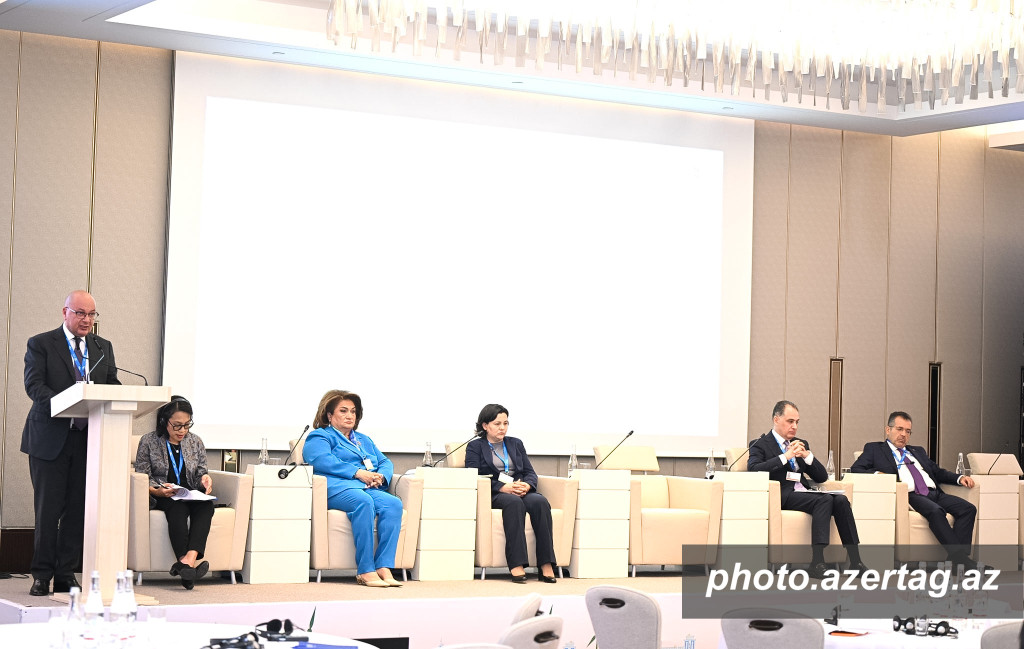
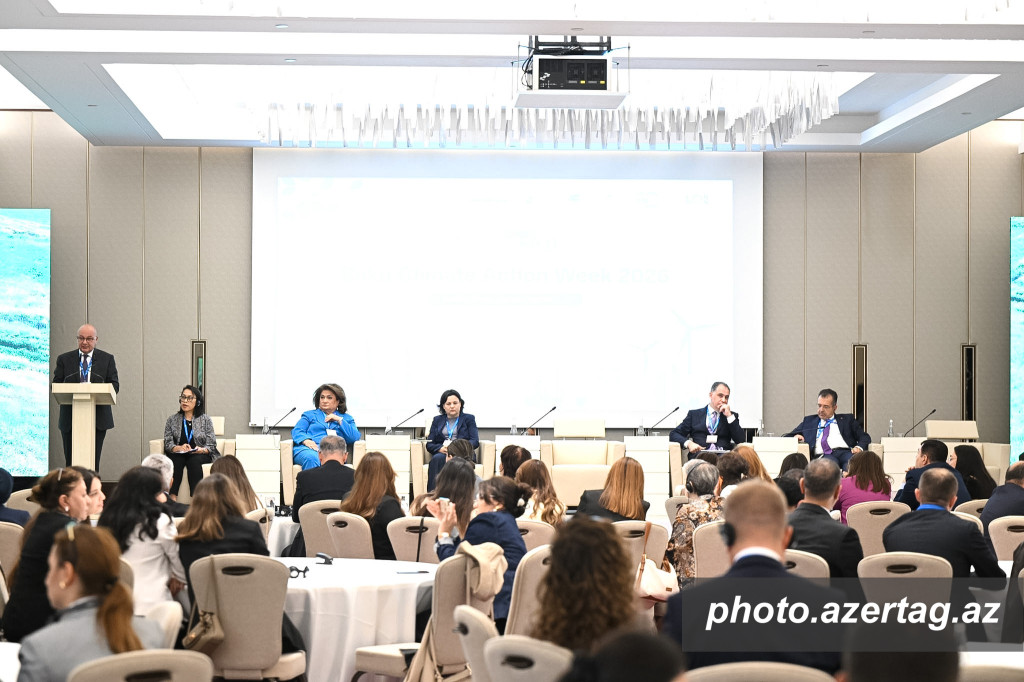
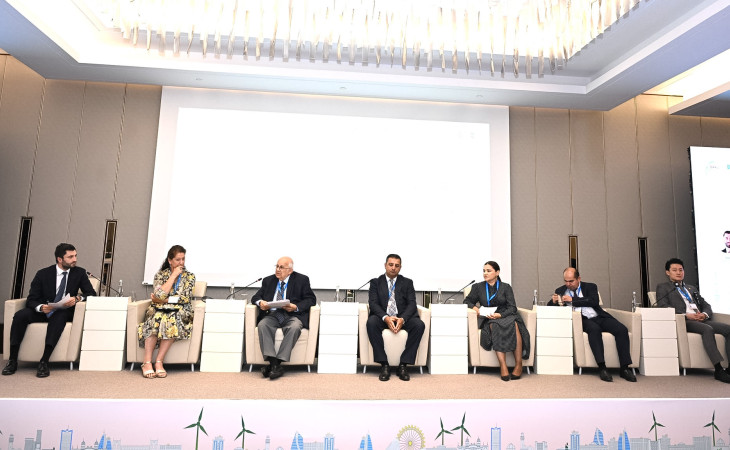
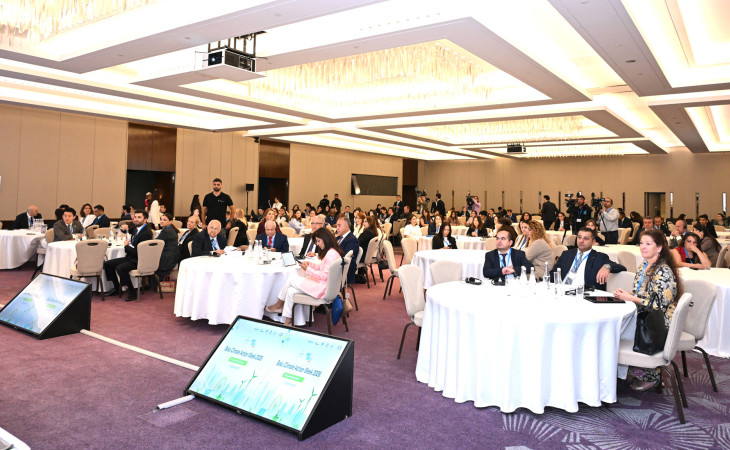
The second day of the Baku Climate Action Week 2026 (BCAW 2026) featured a panel session on “Advantages and Challenges of AI-integration to the Multi-hazard Early Warning Systems”.
Moderated by Ariesta Ningrum, Director, Climate Technology Centre and Network, Climate Change Division, UNEP, the session showcased best practices from countries that have integrated artificial intelligence into their multi-hazard early warning systems (MHEWS), including the development and evaluation of AI-based weather forecasting models such as GraphCast, PanguWeather, FourCastNet and GenCast.
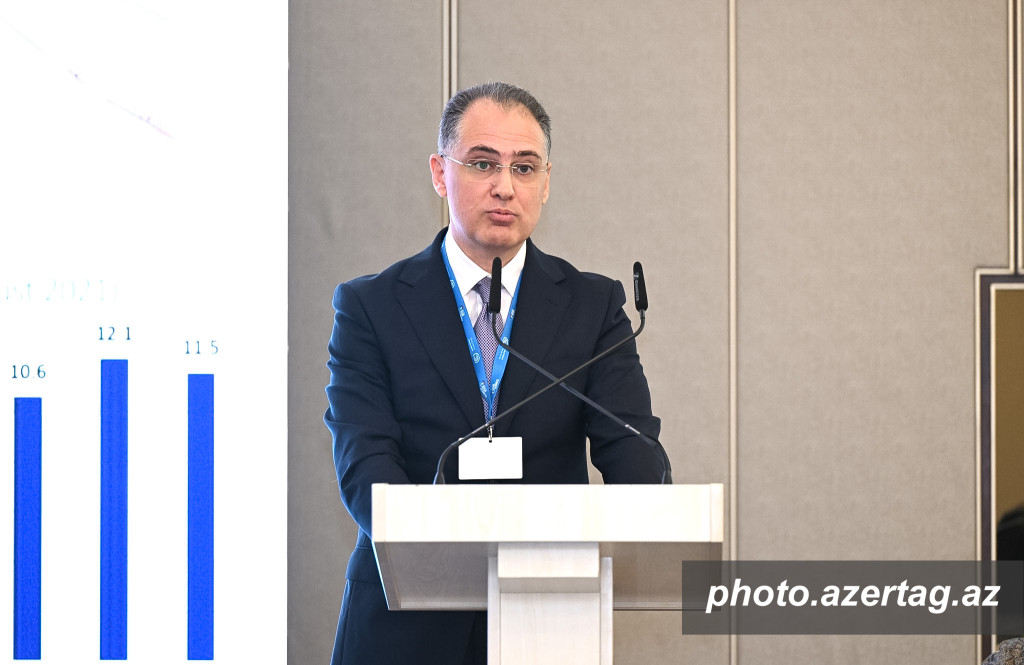
Keynote speakers included Hijran Huseynova, Chairperson of Committee for Family, Women and Children Affairs, Parliament of Azerbaijan, Ilhama Gadimova, Deputy Minister of Agriculture of Azerbaijan, Vugar Suleymanov, Chairman of Board of ANAMA, Khayyam Mammadov, First Deputy Chairman, Azerbaijan State Water Resources Agency, and Volkan Mutlu Coshgun, Director of Turkish Meteorological Service of the Republic of Türkiye.
The session examined the principal challenges of that integration — cybersecurity and operational reliability, reduced performance under unprecedented or changing climate conditions, and the limited training data available in developing countries, which hinders regional early warning cooperation.
The event highlighted the role of international cooperation and WMO-led activities in making AI-integrated tools available to all countries.
The session, organised by the Ministry of Ecology and Natural Resources in collaboration with WMO and FMI, continued with panel discussions.